The 2026 Tour Operator Tech Stack: Top 6 Tools You Actually Need

Jarod LaFalce
Co-Founder / COO of BookingTerminal
Published on: May 29, 2026 | Estimated Read Time: 8 minutes
Introduction
As a tour operator, your job is to create experiences people remember. But the work that makes those experiences possible — taking bookings, chasing payments, answering the same questions over and over, keeping track of who’s actually showing up — happens behind the scenes, and it adds up fast.
The right software handles that work for you, so you can spend less time on admin and more time running tours. The catch is that you don’t need every tool on the market — you need the few that actually move the needle. Below is the core tech stack we’d recommend any tour operator build around in 2026. Start with these, add more only when you genuinely need it, and you’ll be surprised how much the right setup frees you up.
1. Booking & Reservation System
Purpose: The Digital Backbone of Your Tour Operations
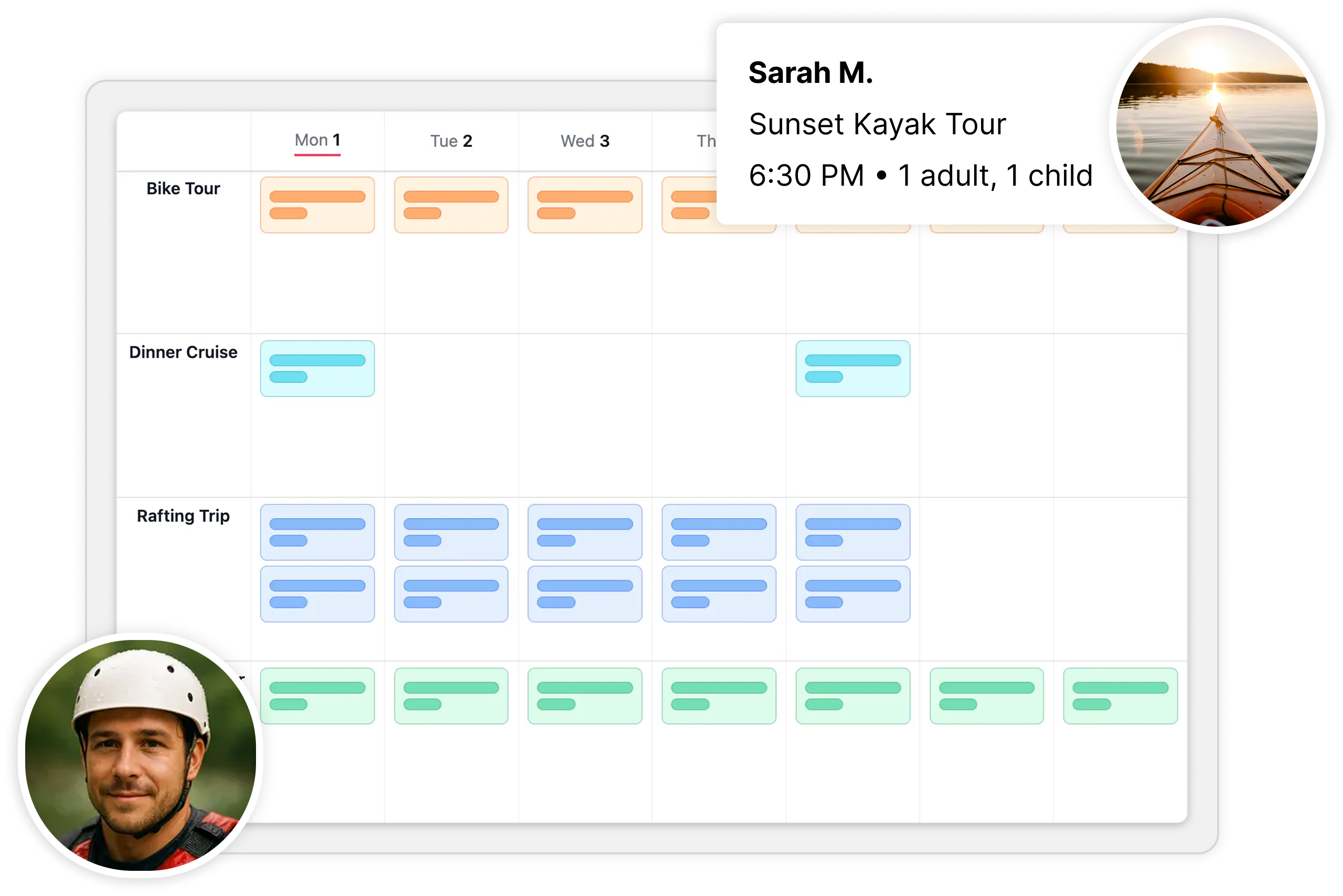
Booking software is the cornerstone of any modern tour operator’s tech stack. It simplifies your operations while also streamlining the booking process for your customers. By digitizing your offerings and schedules, customers can book in real time on your website in minutes—no phone calls required.
At the same time, your booking system acts as a central hub for managing your tours. Some of the tasks it handles:
- Payments and refunds
- Customer communications
- Real-time availability and scheduling
- Centralized booking records (no more spreadsheets or notepads)
BookingTerminal provides all of these features with below-average fees and above-average simplicity and support. If you want to streamline your operations and delight your customers, schedule a demo today!
2. Website & Online Presence
Purpose: Your Brand’s Digital Spotlight
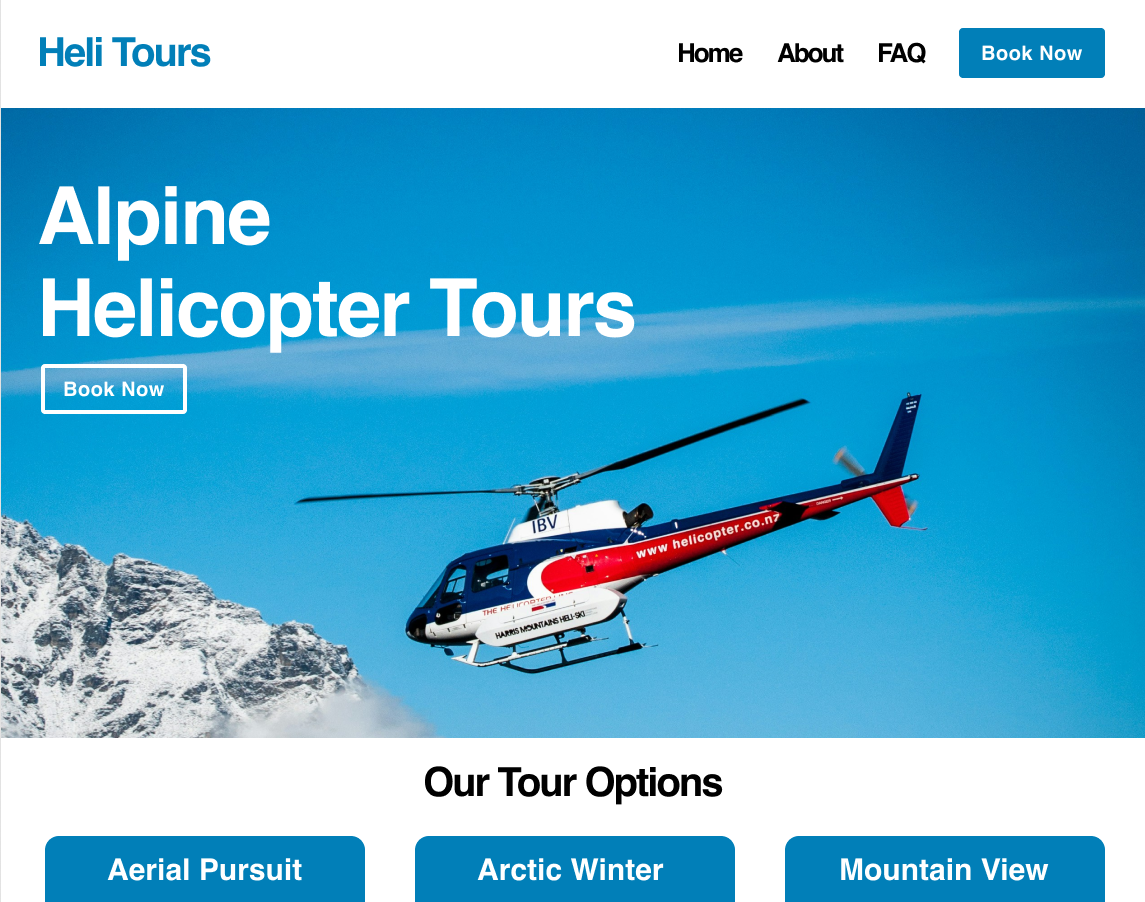
In the digital age, your website is the most powerful way to showcase and grow your tour brand. A clean, conversion-focused site highlights your offerings, connects directly to your booking software, and gives you space to publish content that fuels your marketing. Most importantly, it turns browsers into paying customers.
Your website should work for you—not create extra work. You can go the DIY route with tools like Squarespace or WordPress. Or, you can outsource the build through an agency or even your booking software provider. For example, BookingTerminal offers a professional, SEO-friendly tour operator website for just $25/month for software users—an affordable way to launch a booking-ready site without the headache.
Why it matters:
- Builds trust with potential customers in seconds
- Provides a hub for all your marketing efforts
- Seamlessly connects to your booking system for real-time reservations
Explore how BookingTerminal’s website solution can help you attract more bookings and grow your brand.
3. Customer Relationship Management (CRM)
Purpose: Track and Nurture Customers
As a tour operator, you’re really in the people business. Your job is to create unforgettable experiences and spark the kind of word-of-mouth that keeps your bookings growing. From attracting new guests to re-engaging past ones, the goal is always the same: delight.
But with so many people interacting with your business across different channels, keeping track in your head—or even in a spreadsheet—quickly becomes unmanageable.
That’s where a CRM platform comes in. It gives you one central place to organize contacts, track how they’ve engaged with you, and automate tasks so no lead slips through the cracks. Instead of juggling sticky notes and guesswork, you can nurture relationships at scale.
Some popular CRMs used by tour and activity operators include Pipedrive (simple and visual sales tracking), Zoho CRM (affordable and customizable), and HubSpot (strong for marketing and lead nurturing).
4. Marketing & Communication Tools
Purpose: Reach and Engage Your Audience
Even with the best tours in the world, you won’t fill seats if people don’t know you exist. Marketing and communication tools help you stay connected with potential and past customers in a consistent, scalable way.
For most operators, email does the heavy lifting here — but it’s worth separating two kinds. Transactional messages — booking confirmations, reminders, and follow-ups — should fire automatically straight from your booking system; BookingTerminal handles these for you, so every guest gets the right message at the right time without you lifting a finger. Marketing email is the other half: the newsletters, seasonal promotions, and re-engagement campaigns you send to drive new bookings.
For that marketing side, platforms like Mailchimp, Constant Contact, or Klaviyo let you send professional-looking newsletters, announce seasonal specials, and share updates about your business. These tools also track opens and clicks, so you can learn what messages resonate most and refine your approach over time.
The real power comes from consistency — sending a monthly or quarterly update keeps your brand top-of-mind, sparks word-of-mouth, and encourages repeat bookings, all without needing a big marketing budget.
5. Analytics Platforms
Purpose: Power Business Decisions with Data
Whether you’re running ads, adjusting your website, or updating your offerings, making decisions based on data is critical. Without it, you’re relying on guesses and gut feelings — which may be right sometimes, but numbers give you confidence and clarity.
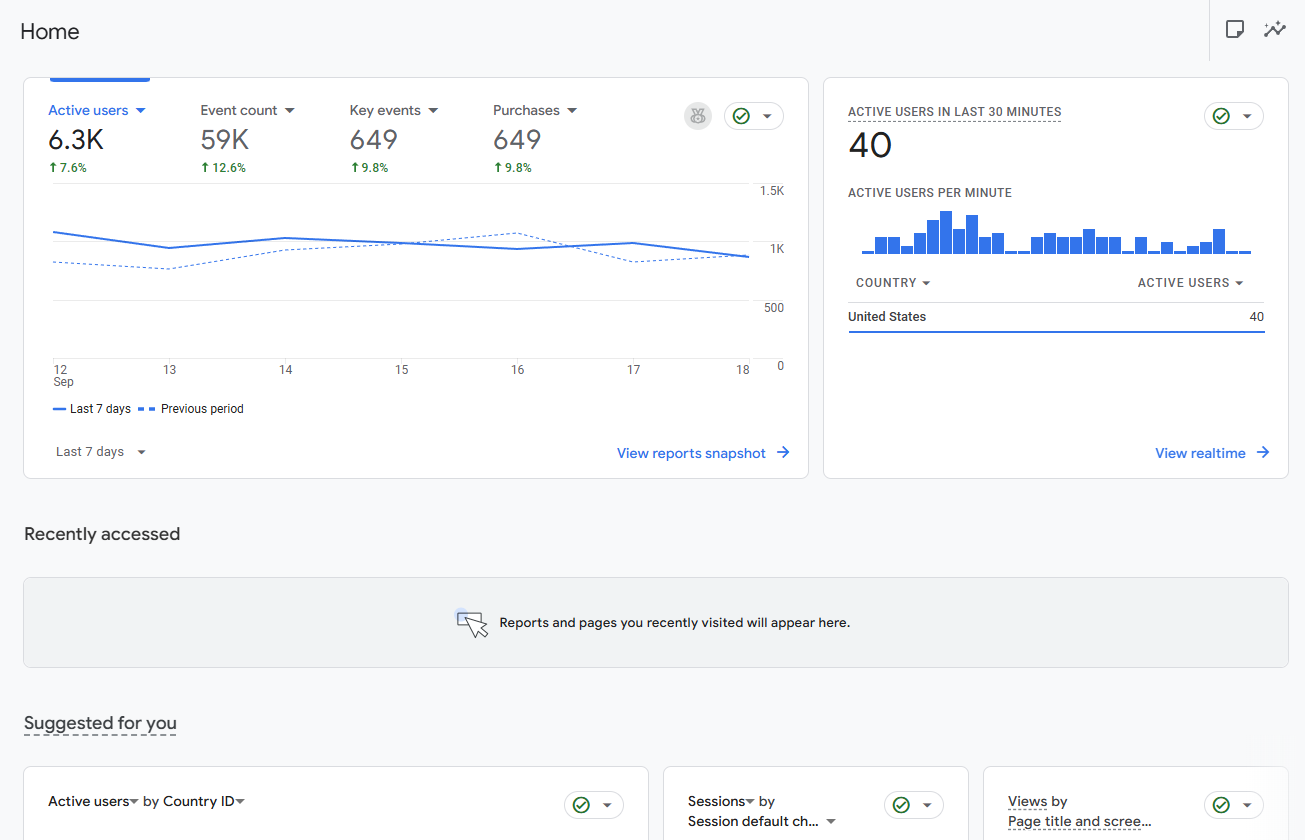
For your online presence, Google Analytics (and its broader suite) is a tour operator’s best friend. When properly set up with your website, it captures key insights like:
- Where your visitors are coming from (referral channels)
- How they navigate your website (pages visited, time on site)
- Where they drop off before booking
- What search queries lead them to your site
- …and much more
With this data, you can identify which marketing channels are working, optimize your website for conversions, and make informed decisions that grow your business instead of relying on trial and error.
6. Automation & Integration Tools
Purpose: Connect Your Tools and Save Time
Running a tour operation often means using multiple digital tools. Manually moving data between systems wastes time and introduces errors. That’s where automation and integration tools come in.
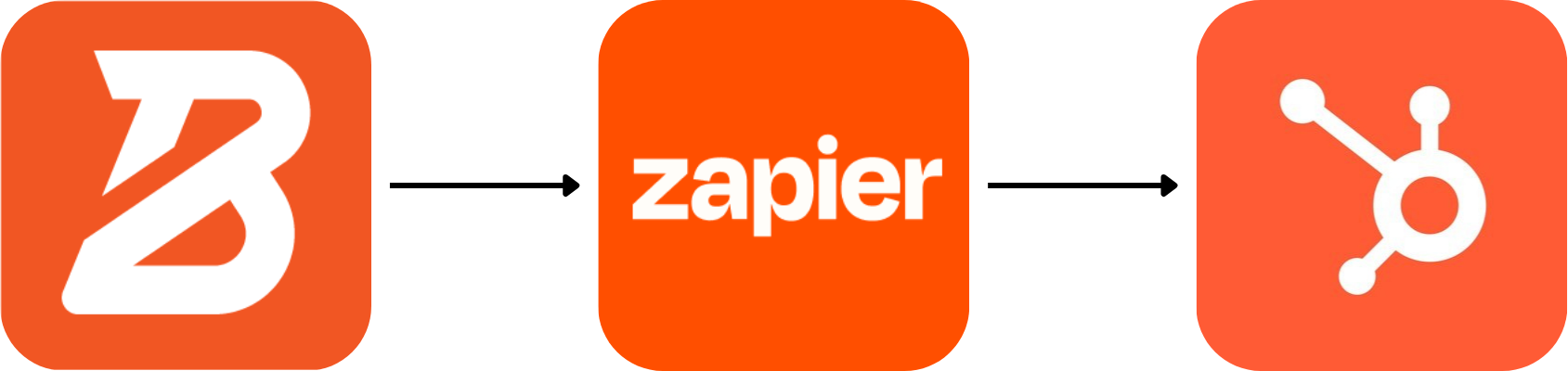
Zapier is one of the most popular options for tour operators. It acts as a bridge between apps, letting you automatically pass data from one platform to another without writing a single line of code. For example, you could automatically add new customer contacts from your booking system to your CRM, push bookings into a spreadsheet for reporting, or trigger marketing emails to re-engage past customers.
For operators using BookingTerminal, the platform offers a native Zapier connection. This means your booking data can flow seamlessly into the other tools you already use, reducing manual work and ensuring you have consistent, accurate information across all your systems.
Where AI Fits in Your 2026 Stack
The six tools above are the foundation, and that hasn’t changed. What has changed heading into 2026 is how much AI now touches each of them — from drafting your marketing emails and analyzing your booking trends to changing the way customers discover you in the first place. It isn’t a seventh tool to go buy; it’s a layer that’s working its way into the tools you already use.
Two shifts are worth paying attention to. First, AI is becoming a practical, day-to-day assistant for operators — we cover concrete ways to put it to work in 5 practical ways operators should use AI in 2026. Second, and bigger for your bottom line: there’s an increasing number of tourists starting their search with AI tools instead of (or alongside) Google, which changes how you need to show up online. We break that down in how tour operators can get found in AI-powered search.
Conclusion
Running a successful tour operation isn’t just about delivering incredible experiences—it’s also about working smarter behind the scenes. The right digital tools simplify your operations, help you understand your customers, and give you the freedom to focus on what matters most: creating memorable experiences.
Every piece of your tech stack plays a role in making your business run smoother and grow more efficiently. Start with the essentials outlined above, layer in AI where it earns its place, and only add more tools when you truly need them—quality over quantity is still the rule.
Ready to streamline your bookings and power your tech stack? Schedule a demo of BookingTerminal today!