How to Start a Tour Operation in 2026

Jarod LaFalce
Co-Founder / COO of BookingTerminal
Published on: January 2, 2026 | Estimated Read Time: 12 minutes
Starting your own tour operation can feel both exciting and overwhelming. Every operator's journey looks a little different—there's no single formula that takes you from zero to a thriving business. But if you're seriously considering this path, you already have the creativity and resilience it takes to shape the process in a way that works for you.
What I can share are the common steps I've seen again and again. After working with many operators over the years, I've had the privilege of hearing their stories—the wins, the setbacks, and, most importantly, the process behind building a successful tour business. The guide below pulls together those shared patterns and breaks them into simple, practical steps for 2026.
Here's to starting your modern tour operation.
Pick your niche and tour type
Your tour operation starts with your idea… obviously. But it's worth slowing down for a moment here, because it's more than just deciding, "I'm going to start a historical tour." The niche you choose shapes everything that comes next — your audience, your pricing, your marketing, even the kinds of photos you'll need.
Think about what makes sense for you and for where you are. Your interests and local knowledge matter, but so do practical things like the tour format (walking, food, boat, ATV), the length, the level of physical activity, and how people will move through the experience. The clearer you are about the type of tour you want to offer, the easier every later step becomes.
Validate demand in your area
The harsh reality of starting any business — especially a tour company — is that a good idea to you doesn't automatically mean it's a good idea in the real world. You need enough demand to sustain the business, and ideally you want that confirmation before you start investing real time, money, and energy.
The good news is that validating demand doesn't have to be complicated. A few simple conversations and quick tests can save you months of guesswork. Here are some practical ways operators typically do it:
Talk with local tourism stakeholders
Visitor centers, DMOs, hotels, and even other operators usually have a great pulse on what travelers are looking for — and what's missing in your area. They might tell you straight-up which types of tours people frequently ask about but can't find.
Have conversations with potential customers (tourists or locals)
This doesn't need to be formal. You can talk to people at popular attractions, chat with travelers on social media groups, or even ask your friends / family when they visit. The goal is to understand what people wish they could do in your area.
Some example questions to ask would be a simple survey with questions like:
"If you were visiting this area, what types of tours would interest you?"
"Would you prefer walking, biking, boating, or something else?"
"What's the maximum you'd spend on a tour like this?"
Look at competitors — and gaps in their offerings
Search for tours in your region on Google, TripAdvisor, Airbnb Experiences, GetYourGuide, etc. What exists? What's missing? If all the historical tours in your area sell out every weekend, that's a clear sign of demand. If no one offers sunrise kayaking, maybe there's a reason… or maybe it's a gap you can fill.
Analyze search demand online
Tools like Google Trends, social media hashtags, and even common questions on Reddit or Facebook groups can show you what travelers are searching for in your city. You don't need to be a data scientist — you're just looking for patterns.
Run a small "landing page" test
Create a simple landing page describing your tour idea (even before you fully build it) and run a small amount of traffic through social media or partnerships. If people click, sign up for updates, or show interest, that's strong validation.
Validating demand doesn't need to be a long, complicated process. The goal is just to make sure there's real interest before you commit. A little homework upfront can save you from building a tour that no one is actually looking for — and it gives you the confidence that your idea is worth pursuing.
Handle legal basics: registration, permits, insurance
Now that you've validated demand, it can be tempting to hit the ground running. But before you book your first customer, it's important to make sure your tour business is legally set up. It doesn't have to be complicated, but skipping this step can lead to headaches down the road. Here's what you need to know:
Register your business
Depending on where you live, this could mean forming an LLC, registering as a sole proprietor, or another legal structure. This gives your business an official name, protects you legally, and is usually required to open a business bank account.
Get the right permits and licenses
Some tours need special permits — for example, operating in parks, using boats, or leading certain adventure activities. Check with your local city, county, or tourism office to see what's required. Even if your tour seems "low risk," having the right permits shows professionalism and keeps you out of trouble.
Protect yourself with insurance
Insurance isn't optional. At minimum, most operators get liability insurance, which protects you if a guest gets hurt or property is damaged during a tour. Depending on your tour type, you may need extra coverage (boats, vehicles, or high-risk activities).
Keep it simple and organized
Make a simple checklist so nothing falls through the cracks: business registration, permits, and insurance certificates. Keep digital copies handy — you'll need them for bookings, inspections, and any partnerships. And don't hesitate to get professional help where it makes sense. A lawyer or CPA can save you a lot of time and headaches when it comes to business formation and compliance.
Handling the legal basics might feel boring, but it gives you the confidence to run your tours without worry. Once this is done, you can focus fully on creating an amazing experience for your guests.
Design 1–3 flagship tours
With your business now legally set up, you're ready to hit the ground running. When building your strategy, it can be tempting to offer as many tours as possible to reach more customers. Don't. Being a jack of all trades and a master of none shows quickly in such an intimate setting as a tour.
Start with 1–3 tours that fit your niche perfectly, and focus on making them outstanding. This will make the learning curve of running a tour business easier — and your customers will notice the difference in the quality of their experience.
How to design your tours:
- Think about the flow: What will guests see or do first? What comes next? End with a memorable moment.
- Keep it manageable: Plan tours you can comfortably run with your current resources, staff, or guides.
- Consider timing: Know how long each activity takes, including transitions, travel, and breaks.
- Add unique touches: Small details — local stories, hidden spots, or special props — can make your tour memorable.
- Test and refine: Run your tour with friends, family, or small groups before launching. Take notes on what works, what's confusing, and what excites people.
By focusing on a few flagship tours and refining them carefully, you'll build a strong foundation and create experiences that people will want to rave about — and come back for.
Set pricing based on competitors & your costs
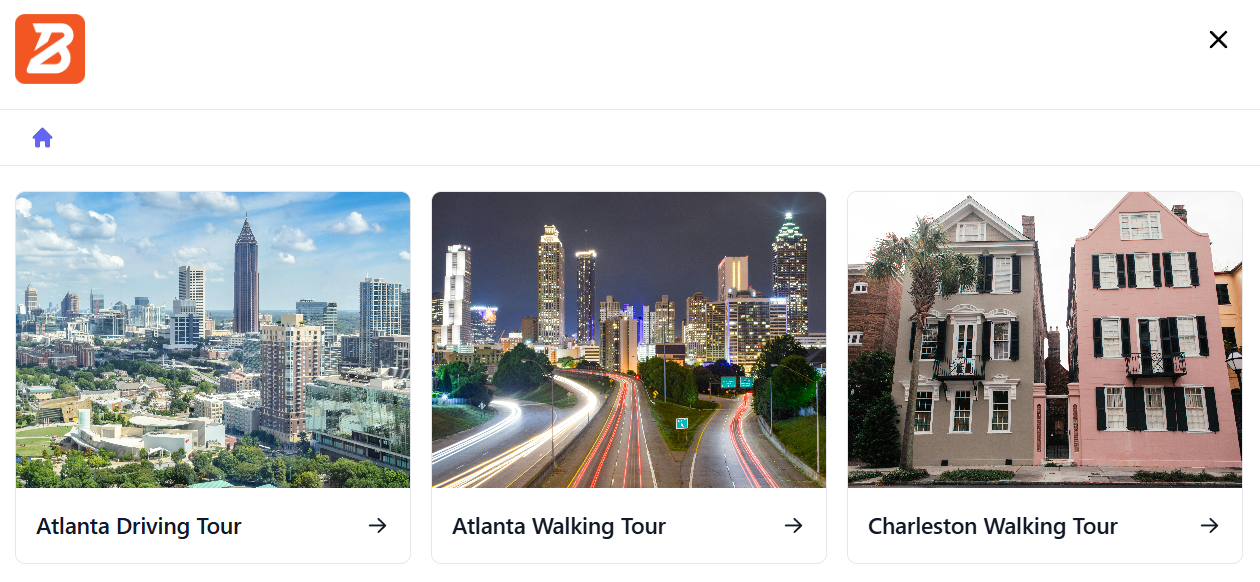
Now that you've designed your tours, it's time to set your pricing. You may already have a rough idea of what people are willing to pay from your validation research. With your fully developed tours, you can now look at comparable offerings in your area. Seeing what similar tours charge is a great way to gauge what customers expect to pay.
Combine this with your estimated cost of running each tour — including staff, transportation, insurance, and any other overhead — to find a solid starting price. You might consider starting slightly below this price or offering a launch promotion to attract your first customers.
Remember: existing tour operators have a leg up because they're already known. One way to get your name out there is to find your "early adopters" — the people willing to try something new, provide feedback, and hopefully spread the word.
Take great photos and write simple tour descriptions
Now it's time to build out some basic marketing materials. Photos and descriptions are often the first things potential customers look at, so they should clearly show what people can expect when they join your tour. This is your chance to highlight what makes your experience unique and why someone should choose you over every other option.
As you do your dry runs with family and friends, use that time to capture natural photos of your tour in action. Get pictures of yourself guiding, the places you visit, the key moments of the experience, and anything that helps website visitors understand what they'll see and feel. Authentic, real-world photos always perform better than staged ones.
When writing your tour descriptions:
- Keep it simple. Avoid overly long paragraphs or flowery language.
- Lead with the essentials. What is the tour? Where does it go? What makes it special?
- Set clear expectations. How long is it? How difficult? What should guests bring or wear?
- Sell the feeling, not just the details. A sentence or two about what makes the experience memorable can go a long way.
- Make it skimmable. Use short sections, bullets, and headers so people can quickly understand what you offer.
Your photos and descriptions don't have to be perfect — they just have to be clear, honest, and inviting. If you can help someone picture themselves on your tour, they're already halfway to booking.
Build your website + booking system
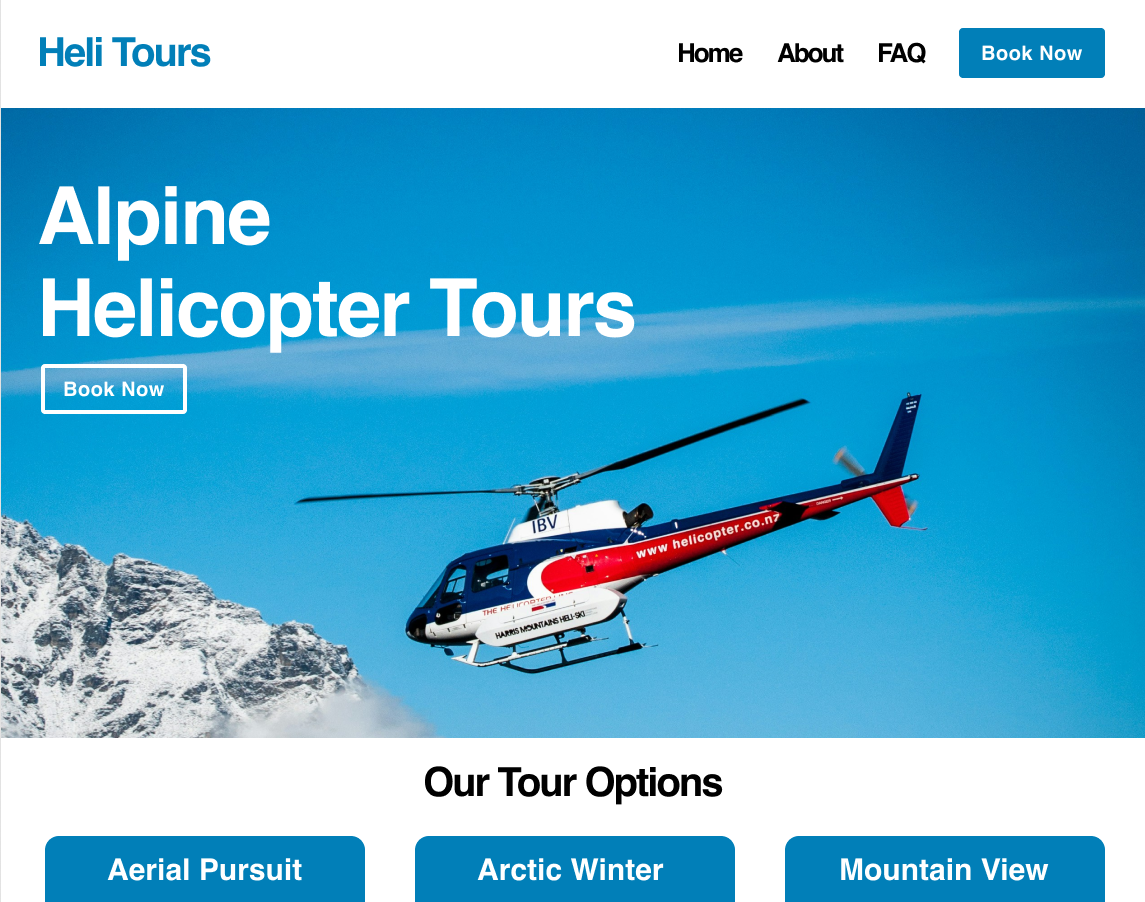
Now that you have all your startup materials ready, it's time to put them on display. Today, that means creating a website built for conversion. A clean, modern site that clearly communicates your value will go a long way in helping potential customers feel confident booking with you.
Once they're convinced, the next step should be seamless: letting them book right on your website.
That's where a booking system comes in. With a proper booking platform, customers can see real-time availability, choose their date and time, and pay within seconds. On your end, everything is configured to your business needs, and you'll have all the operational tools you need to manage tours, guests, schedules, and payments from one dashboard. (If you're curious, we have a full post explaining the benefits of using booking software.)
BookingTerminal can actually provide both your website and your booking system—simple to use, tailored to your tours, and far more affordable than most legacy tools. If you'd like to see how we can help get things set up, we'd love to chat.
Set up policies
Before you launch, you'll want to establish clear policies for your business. These help set expectations for customers, protect your time, and keep operations running smoothly. At a minimum, you should define your cancellation policy, rescheduling policy, no-show policy, and any rules or requirements for participating in your tours.
Look at what similar operators in your area are doing—this will give you a sense of what customers consider "standard." From there, choose policies that balance fairness to guests with the realities of running your business. And remember: clarity is key. Make sure your policies are easy to understand and visible wherever customers book.
If you end up using a booking system, these policies can be built right into your checkout flow so that guests see and accept them before completing a reservation. BookingTerminal can help you set these up during onboarding so everything is consistent from day one.

Launch with Google Business Profile, maps listings, and social content
Once your tours are ready to go, you want people to actually find them. A big part of that is showing up where travelers are already searching — and some of the most powerful places to do that aren't ads; they're free online profiles that help you get discovered.
Start with the fundamentals:
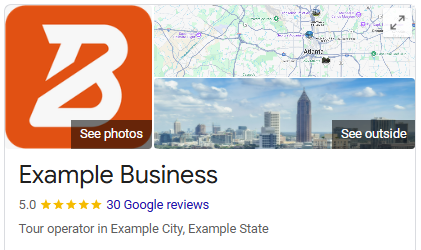
Google Business Profile so you appear in local search and Maps results with your photos, hours, and booking links front and center. Then add key listings like Apple Maps, Tripadvisor, Bing Places, Yelp, and profiles on Facebook and Instagram — these give travelers multiple touchpoints to learn about you, see your reviews, and get directions. Many people planning things to do while they're in town search right in Google or on Discovery platforms before they ever visit a tour operator's website. When you're ready to set yours up, here's how to get your Google Business Profile ready for tour bookings.
You don't have to go viral to win here — you just need to be discoverable. These free profiles make that possible while also helping with search visibility and credibility. The more of them you claim and optimize, the more chances you have to show up when someone searches for tours like yours.
For a full breakdown of all the listings every tour operator should consider, check out this post: "Profiles You Need to Make to Drive Tour Traffic."
Drive early bookings: partnerships, reviews, deals
This is the moment you've been working toward — getting your first bookings. One of the fastest ways to do that is by building relationships with the people who already interact with visitors every day: tourism centers, hotel staff, concierge desks, tour desks, local shops, and other operators. Let them know you've launched something new and unique, and give them a simple way to refer guests your way. If you've done the groundwork, there will be tourists looking for exactly the kind of experience you offer — your job is to make sure the people around town know how to point those visitors to you.
At the same time, don't be afraid to jump-start your early momentum with small promos or launch deals. A slight discount or "opening month special" can help pull in your first wave of customers when your online presence is still brand new.
Once those early tours wrap up, follow up with every customer and kindly ask for a review. Social proof matters more in the beginning than almost any other time — glowing reviews build credibility, boost your visibility, and give future customers confidence that you're the real deal. If you want a simple approach to collecting reviews consistently, check out this post on setting up an effective review workflow.
Test and Learn
Once you've launched, don't expect everything to be perfect — and that's okay. The early days of a tour business are all about experimenting, listening, and adjusting. Pay attention to what customers mention on tours, where they seem most engaged, what questions they ask, and what parts of your workflow feel clunky behind the scenes. Maybe your start time needs shifting, maybe your meeting point isn't obvious enough, or maybe one stop on the tour consistently falls flat. Small tweaks can make a huge difference. Treat your first few months as a learning phase, take notes after every tour, and continuously refine the experience. The operators who improve quickly are the ones who end up standing out.
Conclusion
Starting a tour business from scratch isn't easy — but it also doesn't have to feel like guesswork. If you take things step-by-step, stay close to what your customers respond to, and continuously refine your offering, you'll build something real, meaningful, and uniquely yours. Every operator I've met who stuck with that mindset found their footing, grew their confidence, and ultimately created experiences people loved.
And once you reach that point, your systems and tools matter. A smooth booking process, a clean website, clear policies, and simple day-to-day operations free you up to do what actually makes your business thrive: giving great tours.
If you want help setting up the operational side — from your website to your booking system to the workflows behind the scenes — BookingTerminal can handle the heavy lifting so you can focus on your guests. We'd love to help you get your new tour business off the ground.