Why Tools Like Acuity Aren't Built for Tours and Activities

Jarod LaFalce
Co-Founder / COO of BookingTerminal
Published on: November 12, 2025 | Estimated Read Time: 6 minutes
Tools like Acuity, Setmore, and Calendly are great for service businesses — but when it comes to tours and activities, they start to fall apart. Most general scheduling platforms are built for one-to-one appointments, not group-based inventory or overlapping offerings.
The result? A lot of manual work for operators, and software that just doesn't work the way your business does. If you're looking for something that actually works, here's a look at tour booking software built for tours and activities.
Here are six big ways these systems usually fall short for tour operators:
1. Basic Resource Management
Most appointment tools treat a booking as a simple time slot, not a resource. That's a problem when your business runs on seats, spots, gear — or all of the above. And it gets even messier when multiple tours share those same resources.
Imperfect shared resource logic:
Most schedulers can't manage resources that are used across multiple offerings. If two tours use the same guides, vehicles, or gear, the system won't automatically consume the amount that you want to consume, which can result in overbooking.
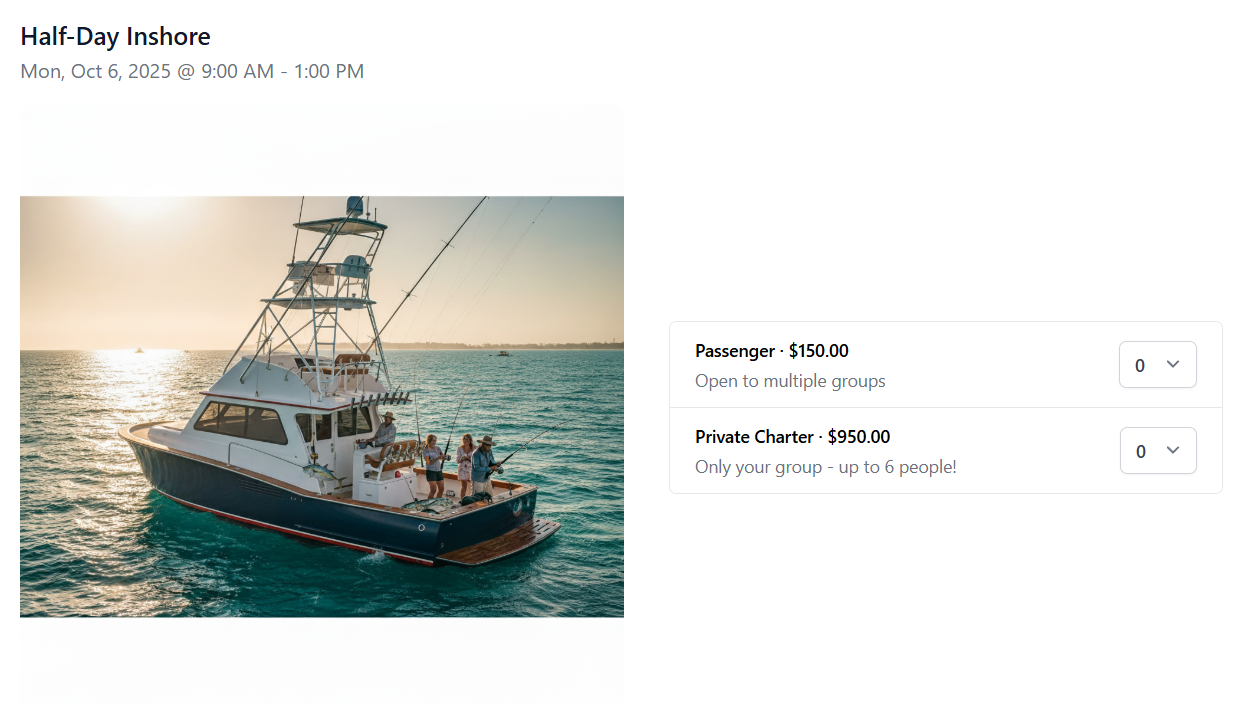
No combined group and private bookings:
Most schedulers are too rigid to let you offer group and private tours in a single checkout. Separating them not only adds extra work for your team, but — because resources can’t be shared across offerings effectively (see above) — it can also create conflicts and manual adjustments behind the scenes.
No booking minimums:
These systems usually focus only on max capacity, not dynamic minimums, so operators have to manually track tours that don't meet their guest requirements.
2. Pricing Models That Don't Match Seasonal Cash Flow
Flat monthly fees might make sense for a salon or therapist, but not for a seasonal tour operator.
Year-round overhead:
You're paying full price every month — even during your off-season when bookings are slow or paused.
Unfair scaling:
Smaller businesses often pay the same as large ones to use the same features, even with a fraction of the booking volume. A commission-based model is often fairer and easier to scale with your business.
3. Self-Service Setup, Little Real Support
Generic scheduling platforms are built around DIY setup. That's fine for simple use cases — but not when you've got varied pricing, shared inventory, and multiple experiences.
No full onboarding:
Most tools don't include implementation, onboarding, or account management.
Costly workarounds:
Operators with complex setups often end up hiring consultants just to make the software fit their business.
4. Generic Language That Feels Off-Brand
Generic software tends to use generic words. That might not sound like a big deal, but it shows in your customer experience.
Awkward terminology:
You get stuck with words like "Appointment" or "Service" instead of "Tour" or "Experience."
Rigid item names:
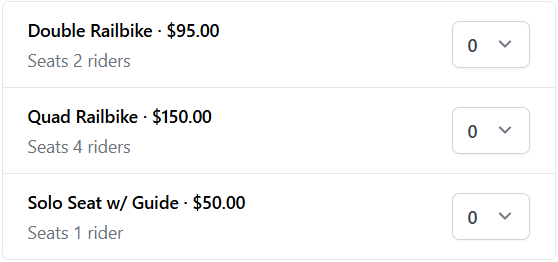
You can't easily customize ticket types — so "1 Adult" might appear instead of "1 Double Railbike." It's small, but it affects brand polish and clarity.
5. Checkout Flows That Miss Revenue Opportunities
Most appointment tools use a basic checkout process — quick, but not optimized for upselling or group logic.
Clunky add-ons:
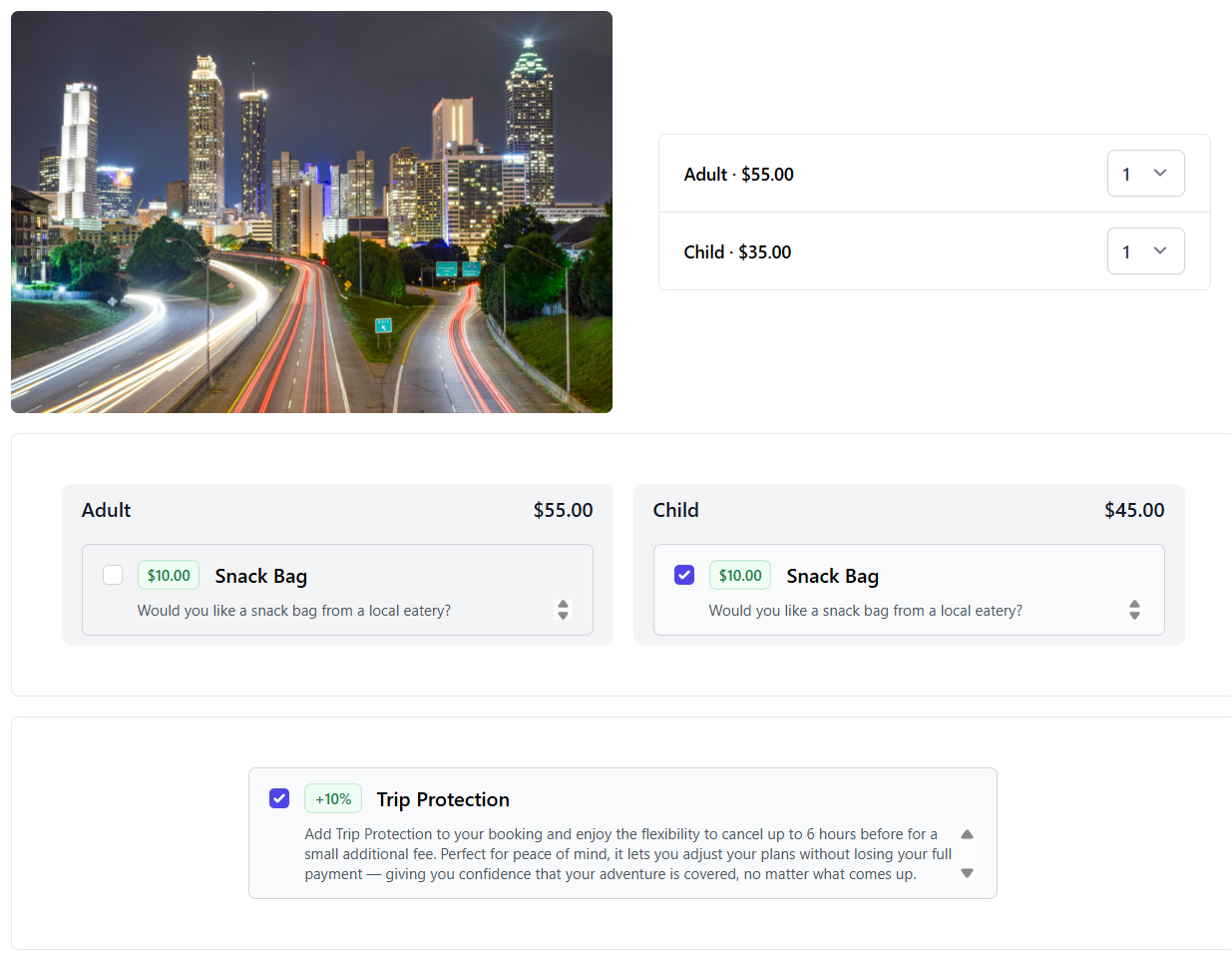
Add-ons often live outside the main booking flow, meaning customers miss them entirely.
Limited per-person logic:
They can't easily apply extras per guest — like a $10 add-on for each of four people — which limits your ability to boost average order value.
6. Discount Tools That Limit Marketing Flexibility
Tour marketing relies on nuanced offers and date-based promotions — and most appointment software just can't do that.
No granular control:
You're usually limited to basic codes like "10% off the order." You can't apply discounts at the ticket level, like "$5 off Adult Tickets only."
Rigid expiration logic:
Most systems only expire promos based on the booking date, not the tour date — which is crucial for driving off-season sales.
Conclusion
Most appointment schedulers weren't designed for the way tours and activities actually operate. They can handle simple time-based bookings, but they fall short when it comes to shared resources, complex pricing, and operational flexibility.
BookingTerminal, on the other hand, was built exactly for this. With features designed specifically for tour and activity operators — plus account managers who get your business almost as well as you do — you can save a huge amount of headache from day one.
Ready for booking software built for tours & activities? Check out BookingTerminal today!